
About Kari Mitchell
I’ve always been interested in the thing that doesn’t quite fit.
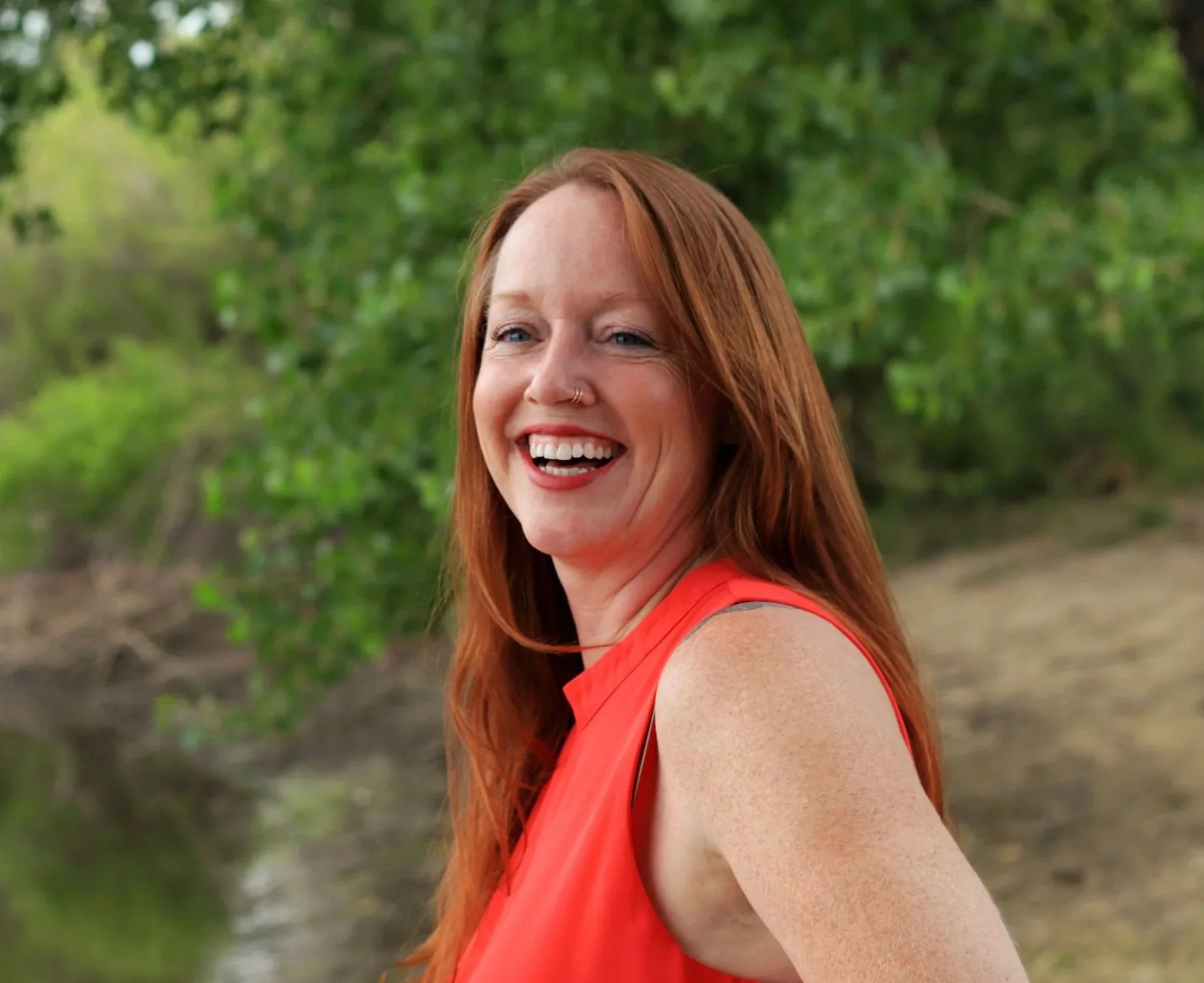
Long before I knew what an energy body was, I was a journalist.
Which, in retrospect, makes a lot of sense.
I have always been someone who gets very interested in things. I want to know why something happened, what everyone is missing, whether the obvious explanation is actually the right one, and what changes if you look at the problem from a slightly different direction.
As a journalist, that meant following stories. These days, it can mean losing an afternoon to a paper about phosphocreatine recovery after exertion, trying to understand why someone could feel completely alive while doing something her body will make her pay for later, or wondering why the symptom nobody else seems particularly interested in keeps tugging at my attention.
The subject changed.
I’m not sure I did.
Chronic Lyme was what changed things for me. I’ve told more of that story elsewhere on this site, so I won’t tell it again here, except to say that after years of being very sick, energy work changed my health dramatically enough that I needed to understand what had happened.
That question eventually became the work I’ve now been doing for nearly fifteen years—and becoming a practitioner gave me even more questions to follow.
The more people I worked with, the more interested I became in the places where conventional explanations seemed to run out. Symptoms that looked unrelated, changing together. The body directing my attention somewhere I wouldn’t have arrived at logically. Finding myself following information I couldn’t necessarily explain again and again, and watching what happened when I did.
Somewhere along the way, learning to trust what I was perceiving.
I’m in awe of the human body.
The longer I do this work, the less interested I am in pretending we really understand very much of what is happening inside us.
There are processes upon processes unfolding beneath our awareness, systems interacting with systems in ways we haven’t begun to imagine, much less describe. And somehow, in the middle of all that complexity, a human being keeps functioning—adapting, compensating, carrying what has happened to her, often far longer than seems possible.
And yet, for all that unfathomable complexity, healing makes deep, intuitive sense to me.
I don’t mean that I always know why a particular symptom is happening, or that I can translate everything I perceive through energetic practice into a biomedical mechanism. I can’t. I mean that when I work with someone, what I encounter doesn’t feel arbitrary. There is a coherence to the way your system has responded to what has happened and what it has had to carry.
Nearly fifteen years of energetic practice have taught me to trust that coherence.
Sometimes it takes me somewhere I wouldn’t have thought to begin. Sometimes it has very little apparent relationship to the symptom. I’ve learned I don’t need to explain the connection before I follow it.
I pay attention, work with what I find, and see where it leads.
Healing no longer surprises me.
Don’t get me wrong—I love it. I am over the moon when someone starts feeling better. When a person who has been living an increasingly constrained life begins engaging with things again, I am absolutely beside myself with joy and gratitude.
I never take that for granted. But I’m not surprised.
One of the deepest convictions I bring to this work is that the body wants to heal. Sometimes it is carrying so much, compensating for so much, working so hard simply to keep everything going, that healing doesn’t have much room to happen.
My work is not to tell it how to heal.
It’s to listen closely enough to understand what it’s asking us to put down.
I’m interested in possibility, but not the pretend kind.
One last thing about this: having been very sick changes your relationship with hope. At least it changed mine.
I don’t find the whole anything is possible conversation particularly comforting. When your life has been constrained by a body that genuinely cannot do what you need it to do, untethered optimism can feel like one more person refusing to understand what you’re dealing with.
What interests me is the moment something that seemed unavailable begins to become available again.
That’s enough.
My own life is much bigger now than it was during the years I was sick, but I don’t spend much time thinking about having recovered anymore.
I have other things to think about.
There are a few subjects you probably shouldn’t bring up with me unless you have some time.
Shakespeare has always been one of them. For the last 9 years, I have spent most Saturdays during the summer volunteering with the Colorado Shakespeare Garden, and somewhere along the way my enthusiasm escalated into building its website and virtual tour. Apparently it wasn’t enough for me to wander around a garden thinking about the plants in the plays. I needed everyone else to be able to wander around it too.
Russian literature is another. I lived in Russia for two years with the Peace Corps, which left me with an appreciation for the soul’s need to experience beauty and a conviction that Dostoevsky was, in many ways, less a novelist than a journalist.
And then there’s Burning Man. I am, unfortunately, that person. If you get me started, I will talk about it for much longer than you intended. I love the scale, the absurdity, the creativity, and the fact that thousands of people can build something astonishing in the desert knowing they’re going to take it all apart again a week later.
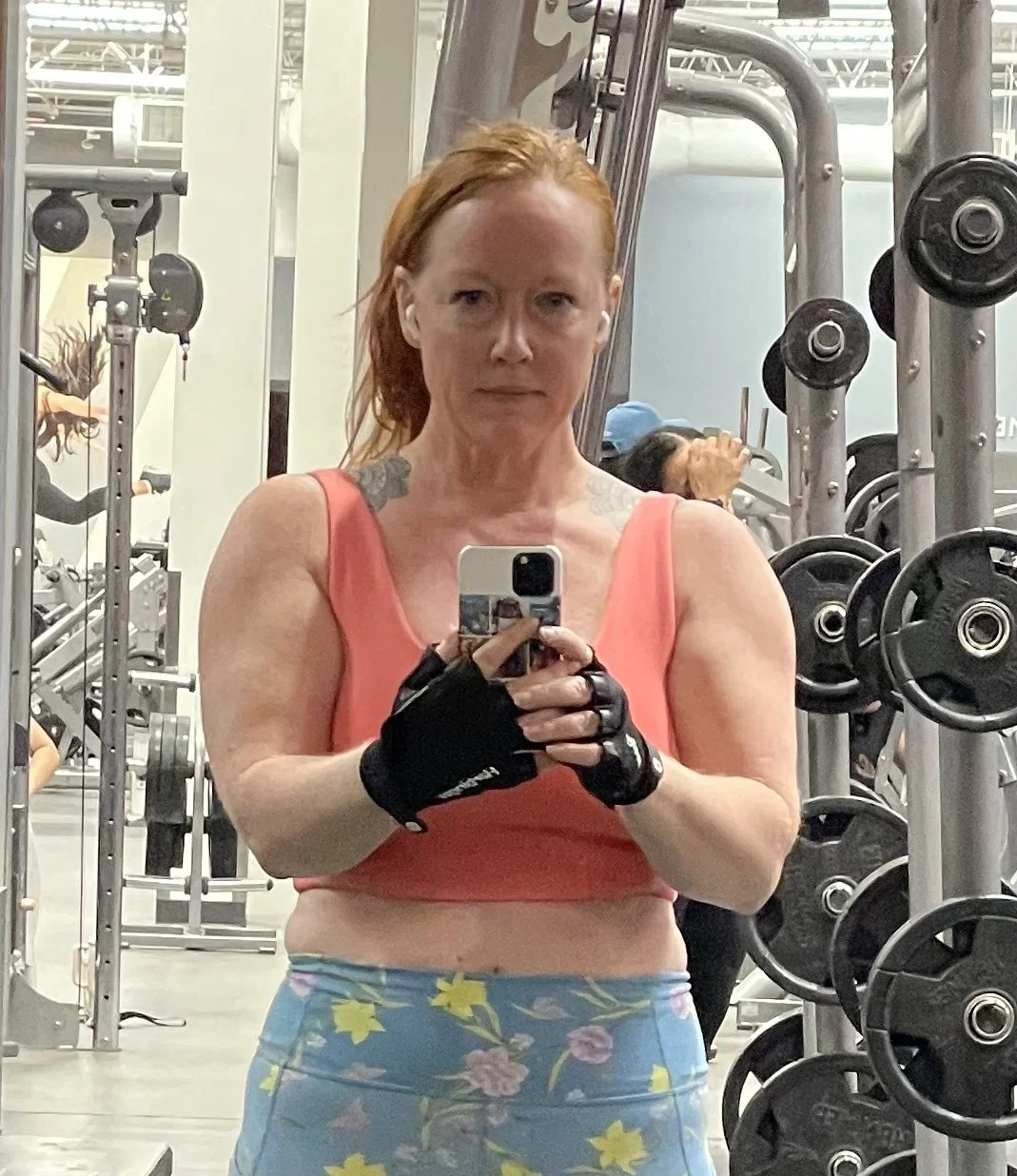
And then most days, you’ll also find me at the gym. I’m there for more than an hour every day, lifting heavy because I love feeling strong.
There was a period of my life when walking two blocks to the post office was too much. I don’t think about that every time I pick up a barbell; most of the time I’m just at the gym, doing something I love.
And maybe that’s the point.
I spent years with a life organized around being sick. These days it’s organized around work I care about, questions I can’t leave alone, Shakespeare and Russian novels and ridiculous art in the desert, summer Saturdays in a garden, and getting stronger because it feels good to be strong.